folk music
-
What is folk music?
Folk music includes many kinds of music with meanings that vary depending on the social class, historical period, and region of the world. Most performers and enthusiasts agree on criteria derived from social function, origins, performance, and patterns of transmission when determining if a piece qualifies as folk music.
Folk music traditions are transmitted orally or aurally, often learned informally through friends and family rather than institutions. It is associated with activities like work, rituals, games, and enculturation and is more participatory than presentational. Performers were traditionally amateurs, though specialists were important to folk communities. In the 20th century, professional performers and carriers of folk traditions expanded dramatically.
2 Britannica SourcesThis answer is created from Britannica articles using AI. AI can make mistakes, so verify using Britannica articles. -
Where does folk music come from?
Folk music is traditional music that was originally passed down through families and small social groups. It thrives in oral tradition, being learned through hearing rather than reading. Its origins are primarily rural, and it's often linked to other activities.
The term "folk music" can have different meanings based on the region, social class, and historical period. It generally refers to music understood and identified with by broad segments of the population, especially the lower socioeconomic classes, making it the rural counterpart to urban popular music.
1 Britannica SourceThis answer is created from Britannica articles using AI. AI can make mistakes, so verify using Britannica articles. -
What instruments are commonly used in folk music?
Folk music commonly uses diverse instruments that vary by region and culture. Historically, the simplest instruments include rattles, flutes, bone whistles, and wooden trumpets. Some instruments, like folk oboes and bagpipes, came from non-European cultures, while village cultures produced fiddles from local materials.
Instruments taken from urban musical culture, such as violins, bass viols, clarinets, and guitars, are also prominent. Latin American traditions feature the charango, Spanish classical guitar, and various wind and percussion instruments. Stringed instruments, such as harps and fiddles, have cultural associations and preserve traditions across societies.
4 Britannica SourcesThis answer is created from Britannica articles using AI. AI can make mistakes, so verify using Britannica articles. -
How are folk songs typically passed from person to person?
Folk songs are typically passed down through oral tradition, meaning they are learned by hearing rather than reading. This informal process occurs within small social circles like family, friends, and coworkers. As songs are shared, they evolve through creativity, forgetfulness, and the influence of other songs and stylistic norms. This communal re-creation results in constant changes with each rendition potentially unique. The community's acceptance is crucial for a song or piece to remain in traditional folk culture.
2 Britannica SourcesThis answer is created from Britannica articles using AI. AI can make mistakes, so verify using Britannica articles. -
How do regional cultures influence the style of folk music?
Regional cultures significantly influence the style of folk music through a combination of shared traits and unique characteristics. Folk music is often associated with activities such as rituals, work, games, and folk religion. The term "folk music" itself varies in meaning based on the region, social class, and historical period.
Each culture favors certain musical forms, and regional musical styles encompass vocal style, melody, rhythm, phrase structure, and typical instruments. For example, in Latin America, folk music originates from a mix of indigenous, European, and African heritage, with the combination of influences varying by country and region. Similarly, Persian regional music emphasizes the distinctions in folk music style and repertory among different areas of Iran.
4 Britannica SourcesThis answer is created from Britannica articles using AI. AI can make mistakes, so verify using Britannica articles. -
How has folk music changed over time or blended with other music styles?
Folk music has evolved through transmission changes, from oral learning to mass media, and has close ties to social activities. It has blurred musical lines with art music since the 19th century, with composers incorporating folklore.
Folk music is closely related to popular music, with cross-fertilization of repertoires and styles. Folk rock emerged in the 1960s, blending folk purity with rock's evolving technology, catalyzed by Bob Dylan.
Folk songs have been used in political and social movements and preserved through folk dance. Today, folk music mixes with genres like folk-rock and incorporates elements to create distinct national variants of mainstream rock music.
2 Britannica SourcesThis answer is created from Britannica articles using AI. AI can make mistakes, so verify using Britannica articles.
folk music, type of traditional and generally rural music that originally was passed down through families and other small social groups. Typically, folk music, like folk literature, lives in oral tradition; it is learned through hearing rather than reading. It is functional in the sense that it is associated with other activities, and it is primarily rural in origin. The usefulness of the concept varies from culture to culture, but it is most convenient as a designation of a type of music of Europe and the Americas.
The concept of folk music
The term folk music and its equivalents in other languages denote many different kinds of music; the meaning of the term varies according to the part of the world, social class, and period of history. In determining whether a song or piece of music is folk music, most performers, participants, and enthusiasts would probably agree on certain criteria derived from patterns of transmission, social function, origins, and performance.
The central traditions of folk music are transmitted orally or aurally, that is, they are learned through hearing rather than the reading of words or music, ordinarily in informal, small social networks of relatives or friends rather than in institutions such as school or church. In the 20th century, transmission through recordings and mass media began to replace much of the face-to-face learning. In comparison with art music, which brings aesthetic enjoyment, and popular music, which (often along with social dancing) functions as entertainment, folk music is more often associated with other activities, such as calendric or life-cycle rituals, work, games, enculturation, and folk religion; folk music is also more likely to be participatory than presentational.
The concept applies to cultures in which there is also an urban, technically more sophisticated musical tradition maintained by and for a smaller social, economic, and intellectual elite in cities, courts, or urbanized cultures. Generally, “folk music” refers to music that broad segments of the population—particularly the lower socioeconomic classes—understand, and with which they identify. In this respect it is the rural counterpart to urban popular music, although that music depends mainly on the mass media—recordings, radio, television, and to some degree the Internet—for dissemination.
Traditionally, folk music performers were amateurs, and some folk songs were literally known to all members of a community; but specialists—instrumentalists and singers of narratives—were important to folk communities. In the 20th century, the role of professionals as performers and carriers of folk traditions expanded dramatically. Folk music as it is believed to have existed in earlier times may be discussed separately from periods of revival such as that of 19th-century European nationalism and the 20th-century revivals, shortly before and after World War II, that were motivated by political agendas. In the context of popular music, performances of “folk music” may be distinguished by the use of songs with political agendas and the use of traditional instruments and acoustic guitars. On the other side of the musical spectrum, lines between folk music and art music were blurred beginning in the 19th century, when art music composers introduced songs from folklore into urban musical culture.
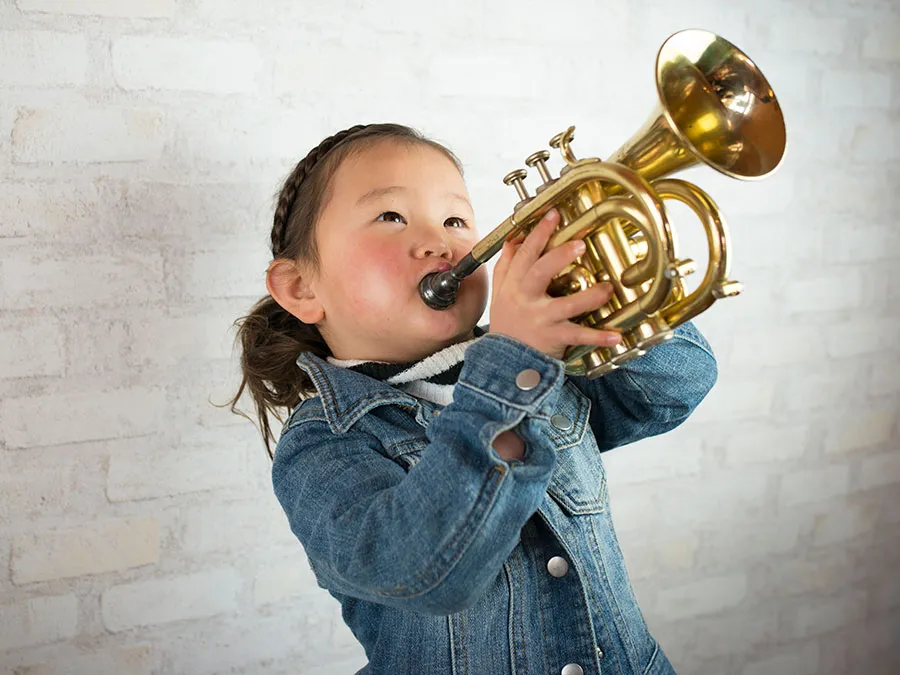
The terms used for folk music in different cultures illuminate aspects of the concept. The English term and its French and Italian analogues, musique populaire and musica popolare, indicate that this is music associated with a social class, the “folk.” The German Volksmusik (“people’s music”) combines the concept of class with the unification of an ethnic group, as does the Hindi term log git (“the people’s music”) in India. Czech, like some of the other Slavic languages, uses the term narod (“nation”) and its relatives, indicating that folk music is the musical unifier of all Czechs. Conversely, the Persian term mūsīqī-ye maḥallī (“regional music”) emphasizes the distinctions in folk music style and repertory among different areas of Iran. The term folk music has also, perhaps unwisely, been used for traditional art musics of Asian and African cultures, to distinguish them from the Western classical system.
The typical 21st-century conception of folk music comes from beliefs about the nature of music and musical life in the village cultures of Europe from the 18th into the 19th century; but this traditional folk music culture was affected greatly by the rise of industrial society and of cities, as well as by nationalist movements beginning in the 19th century. Both the threat to folk culture and the rise of nationalism spurred revival and preservation movements in which learned musicians, poets, and scholars provided leadership. In the 20th century, further revivals associated folk music with political and social movements and blurred the musical distinctions among folk, art, and popular musics. Nevertheless, vigorous remnants of the traditional culture of folk music were retained in 19th-century western Europe and in eastern Europe into the 20th century; these are the bases for the following characterization.
The trusted destination for professionals, college students, and lifelong learners.
SUBSCRIBE