Academia.eduAcademia.edu

Outline

Large clinker built cargo vessels from the late medieval period in Northern and Western Europe -The Mönchgut 92 wreck in context

2016

Abstract
sparkles

AI
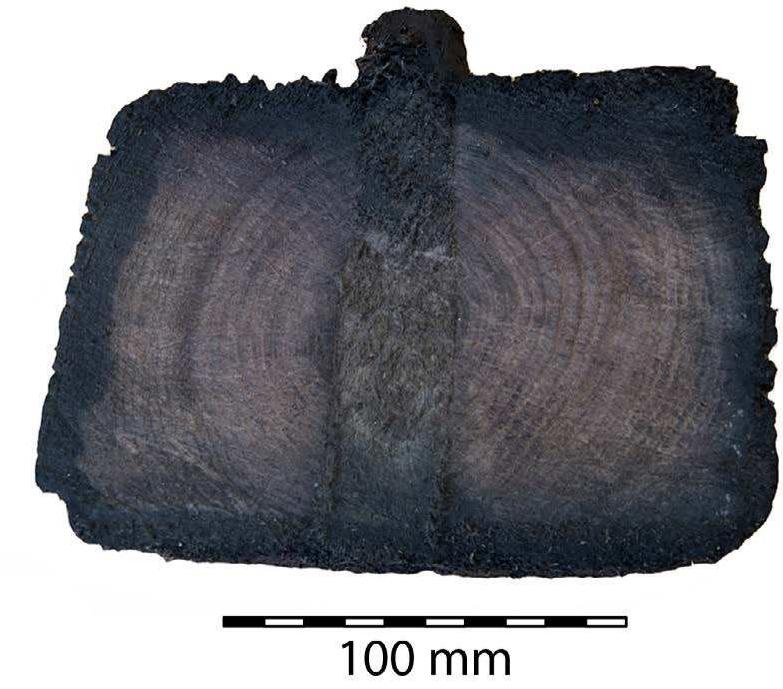
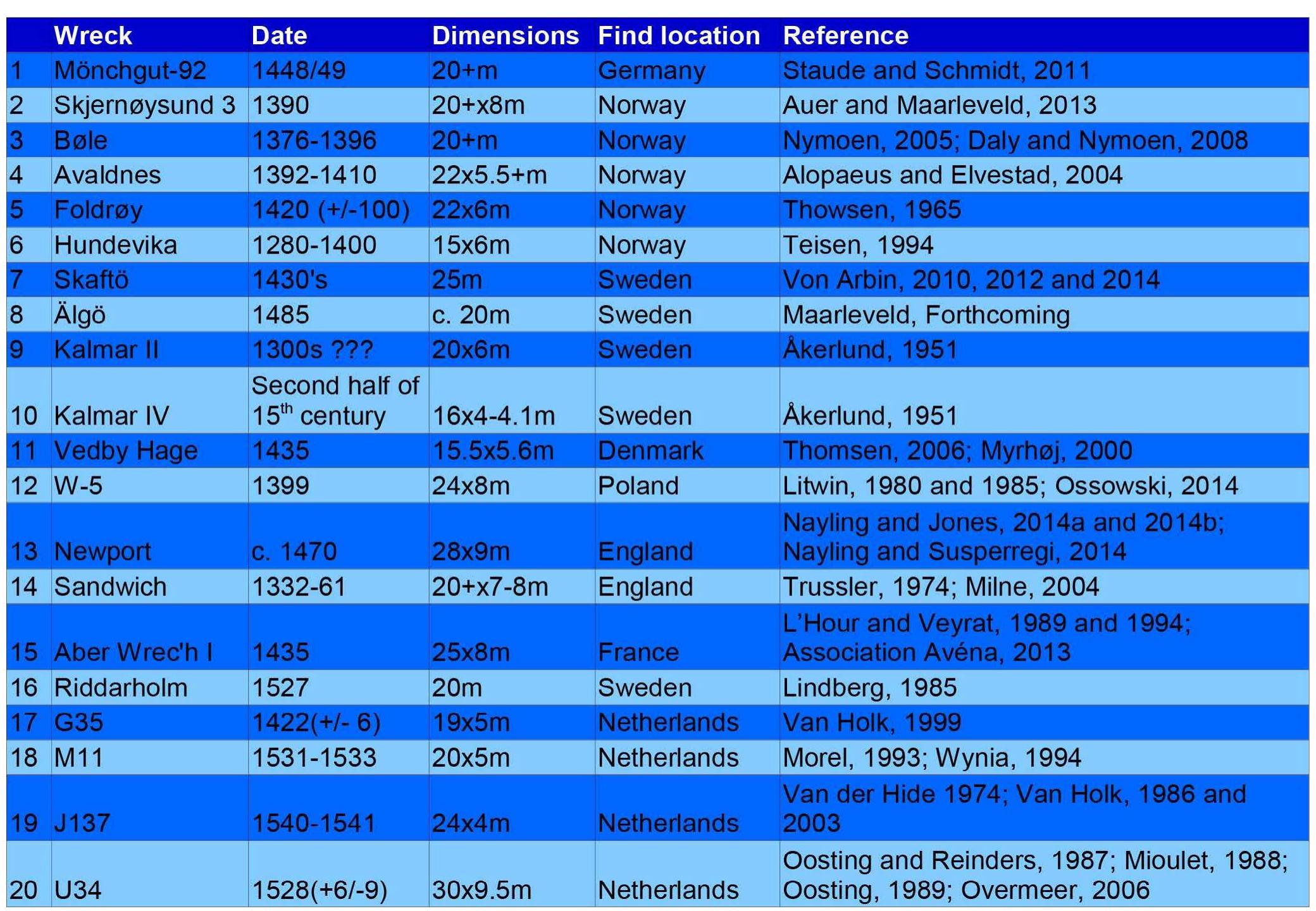
This research focuses on the significant archaeological findings of large clinker-built cargo vessels from the late medieval period in Northern and Western Europe, specifically examining the Mönchgut 92 wreck. Dated to 1448/49 AD, the study involves a comparative analysis of construction details from 20 well-documented shipwrecks of similar design and era. The results indicate remarkable uniformity in materials, construction technology, and design, with some regional variations observed. The study enriches the understanding of shipbuilding traditions and practices during the late medieval period.

Key takeaways
sparkles

AI

  1. The Mönchgut 92 wreck dates to 1448-49 AD, highlighting late medieval shipbuilding techniques.
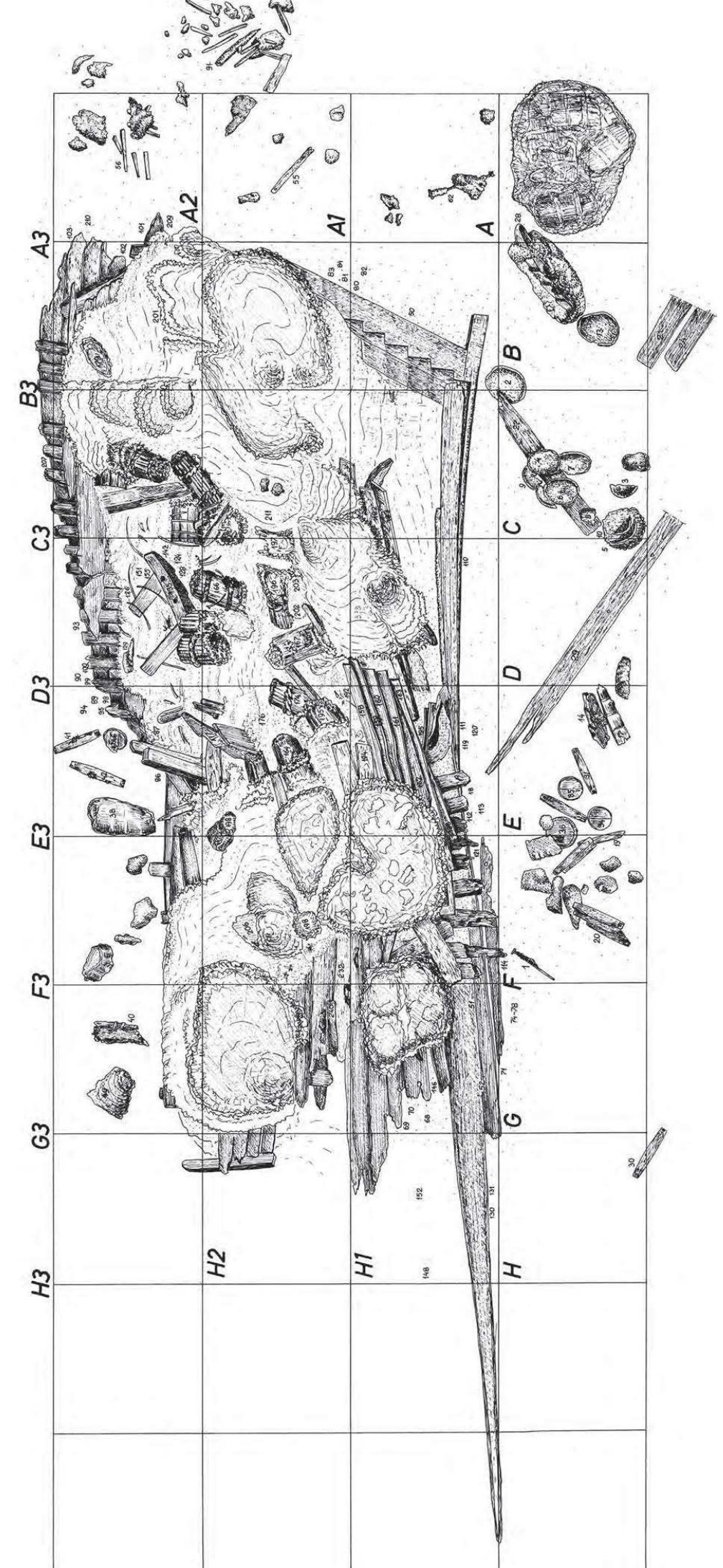
  2. The excavation revealed significant finds, including 66 copper ingots and five barrels.
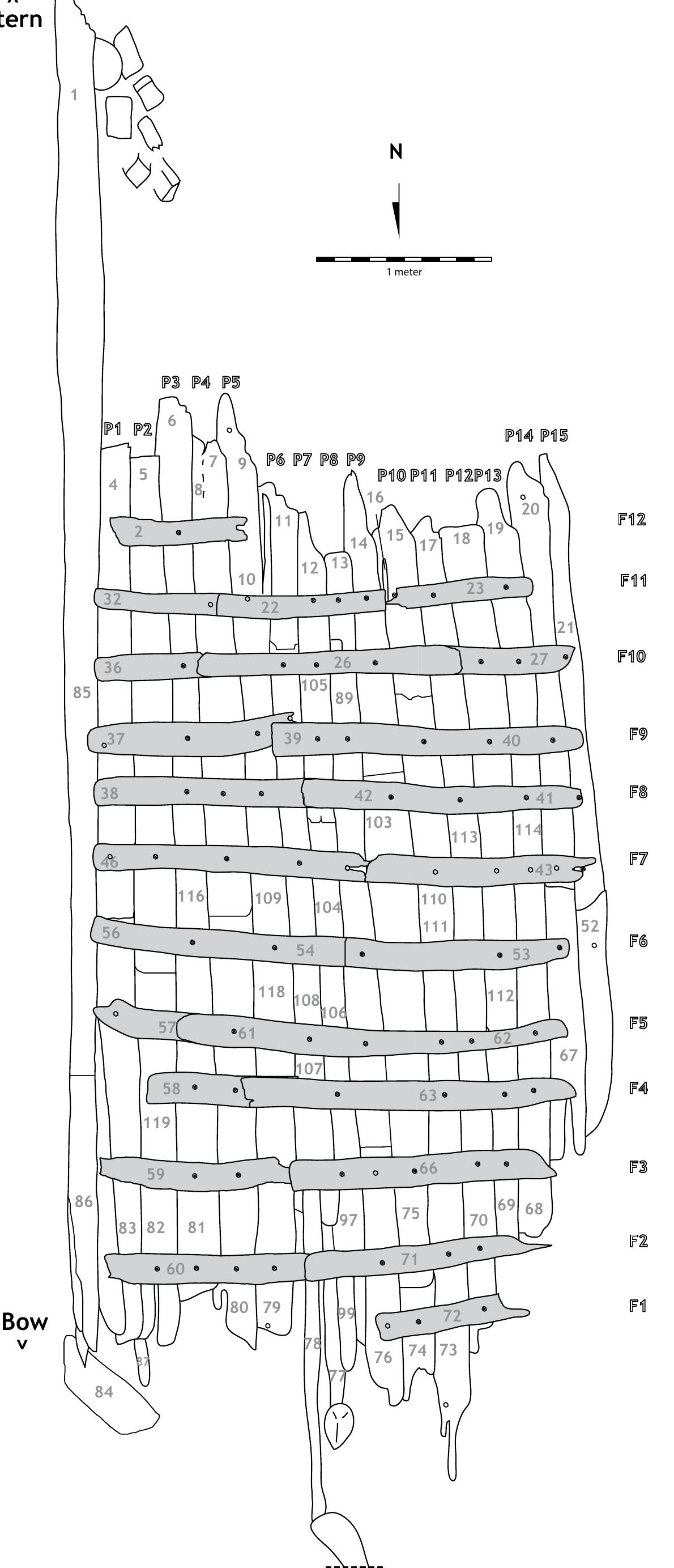
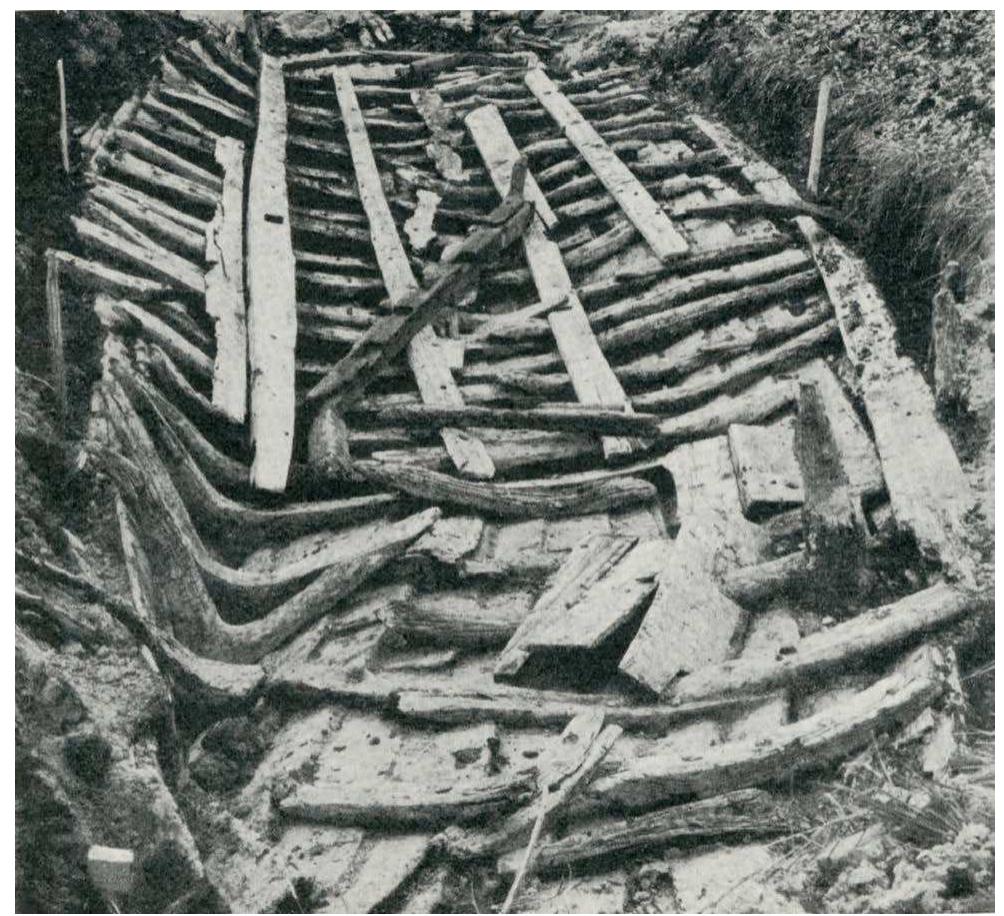
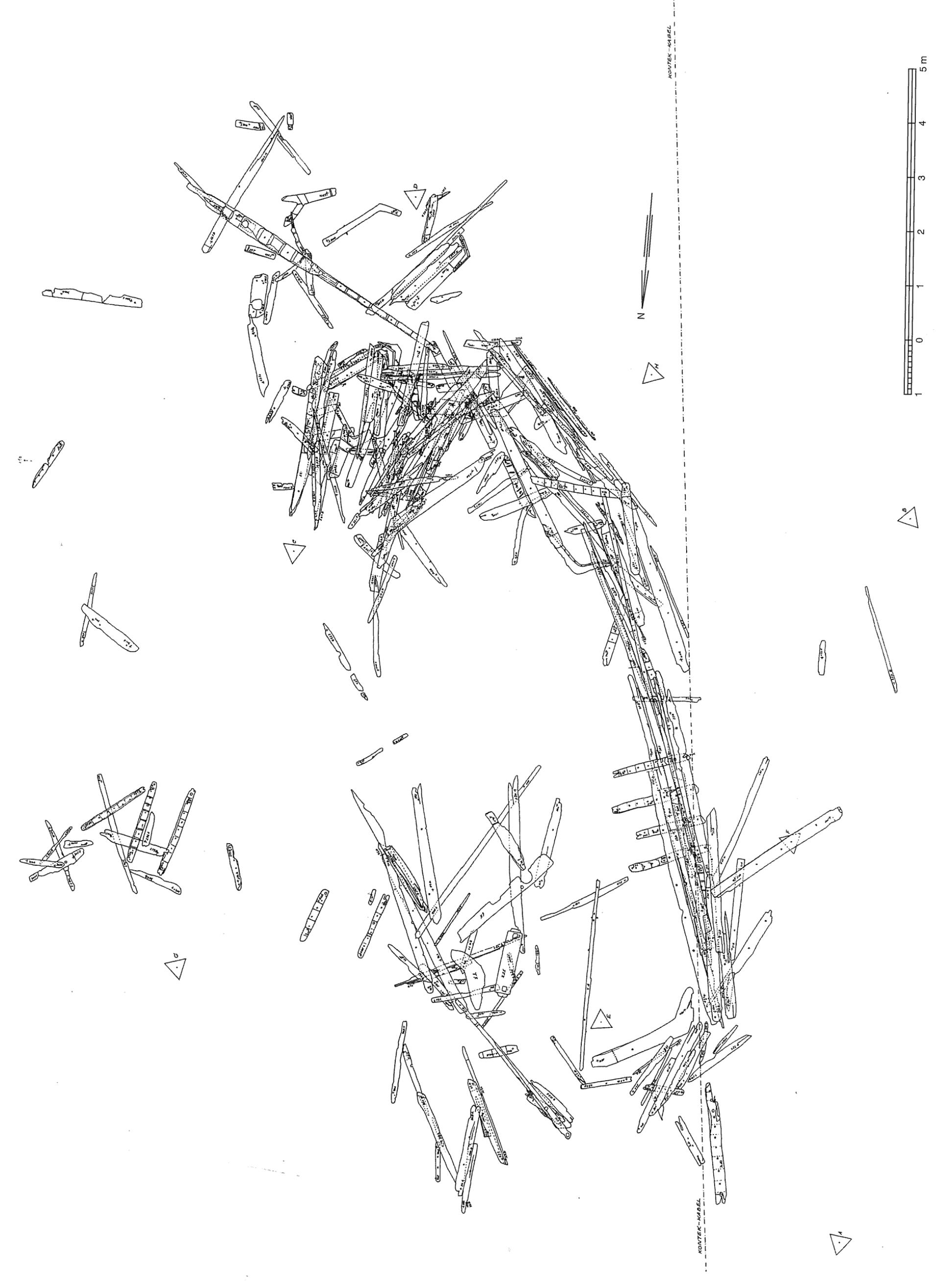
  3. The wreck site measures 16x18 m and features key structural elements of clinker-built vessels.
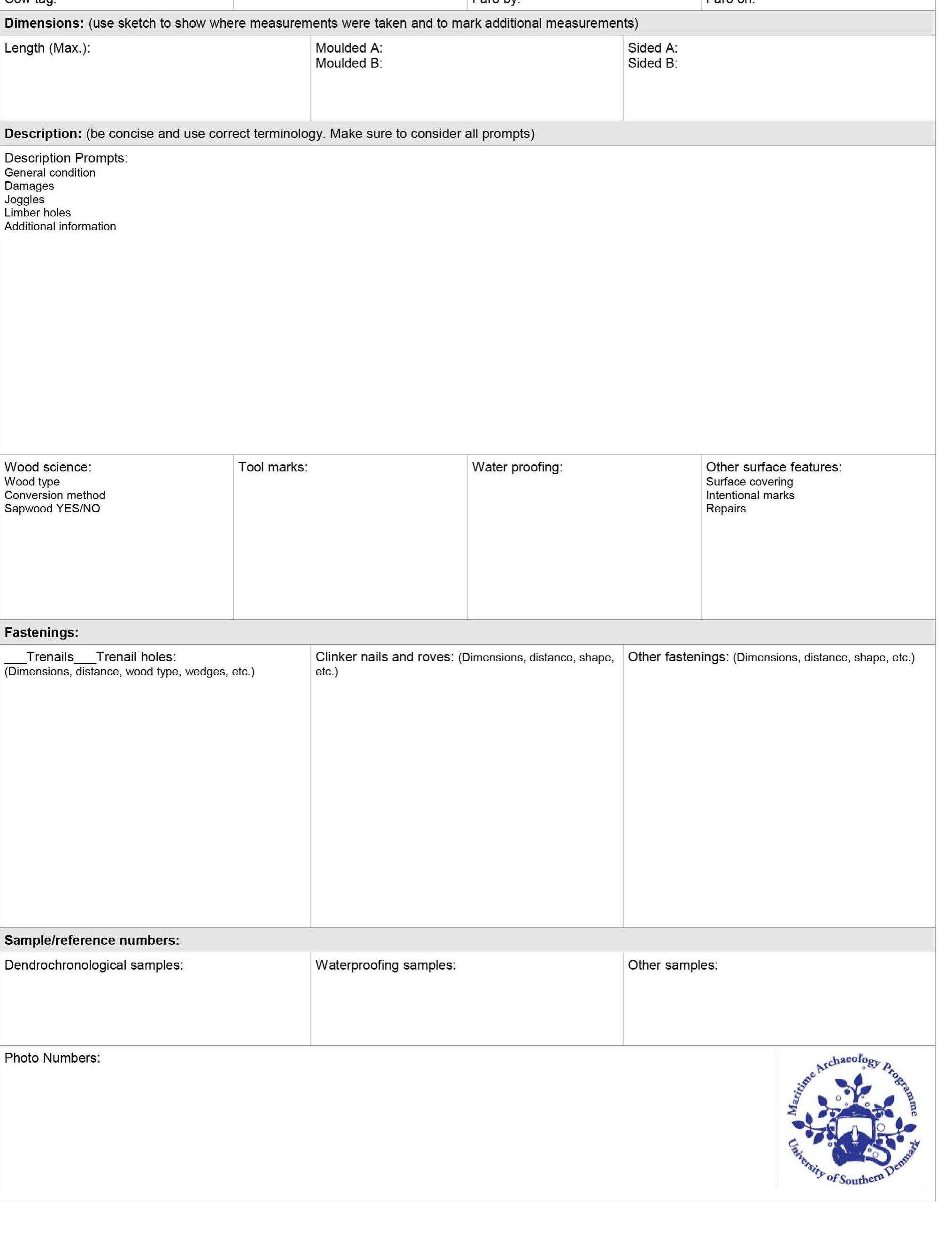
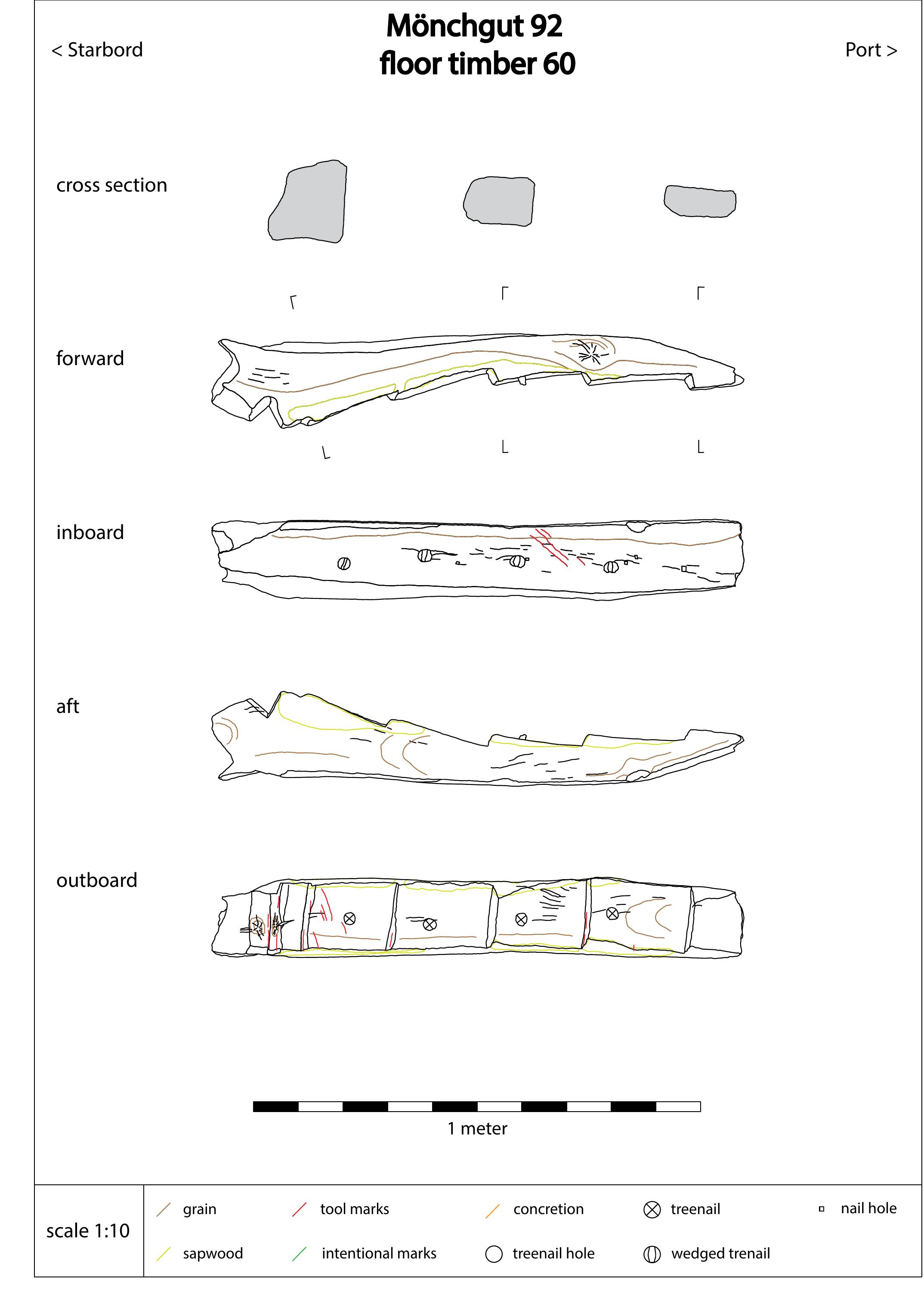
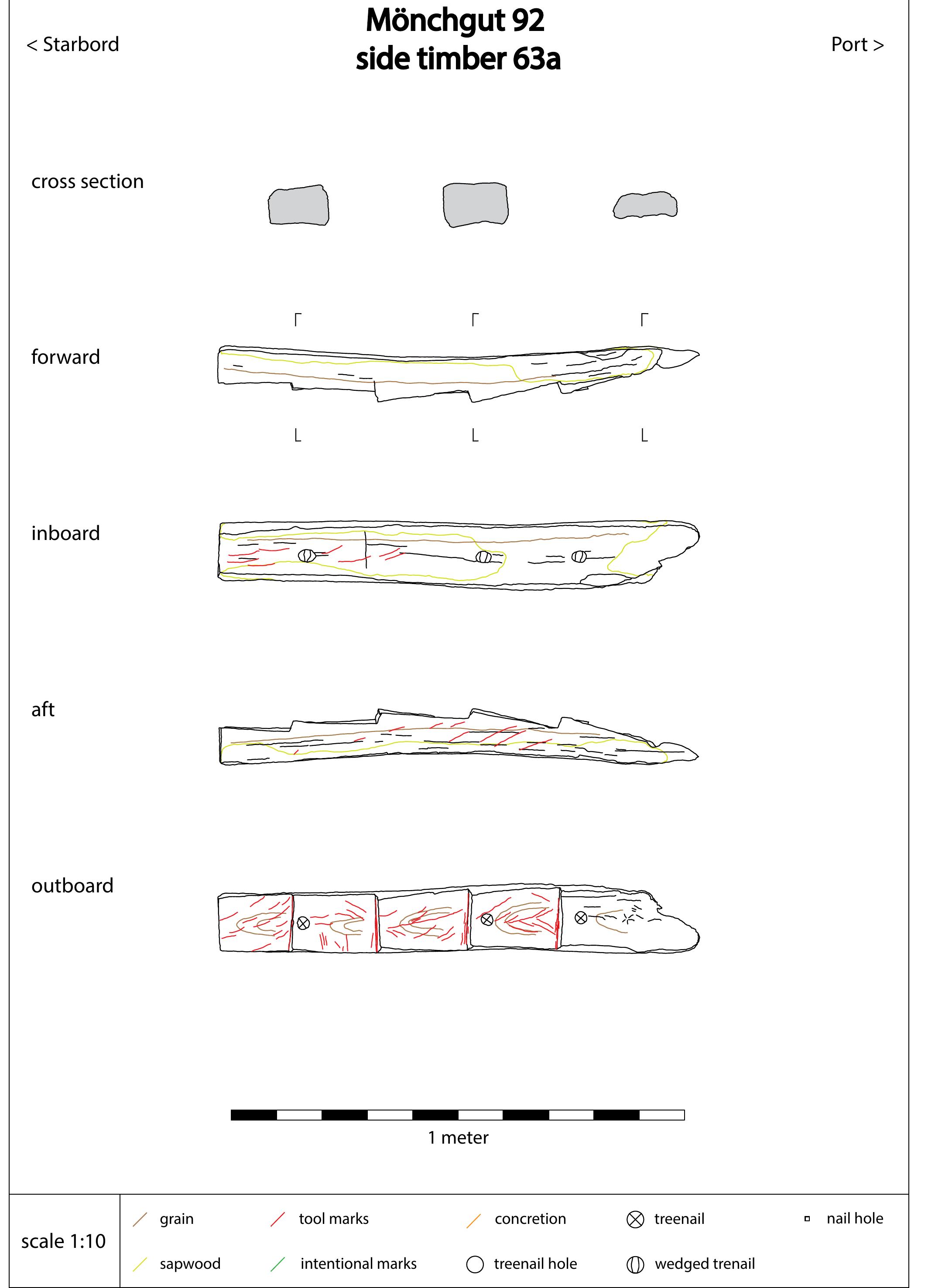
  4. Construction details suggest the vessel was over 20 m long, indicative of large cargo capacity.
  5. The study aims to contextualize shipbuilding practices of large clinker-built vessels in Northern Europe.

References (98)

  1. Adams, J., 2013, A Maritime Archaeology of Ships. Innovation and Social Change in Medieval and Early Modern Europe. Oxbow Books, Oxford.
  2. Ali, S., 2014, Caulking from the Älgö wreck and timber catalogue. Unpublished contribution for field school report on the Älgö wreck. Maritime Archaeology Programme University of Southern Denmark.
  3. Alopaeus, H., Elvestad, E., 2004, Avaldsnesskipet -et "nordisk" skip fra Polen?, in: Torfaeus, T. (Ed.), Mellom Vinland Og "Ringenes Herre", Karmøyseminariet 2004. Karmøy, pp. 73-86.
  4. Andersen, E., 1995, Square sails of wool, in: Olsen, O., Madsen, J.S., Rieck, F. (Eds.), Shipshape. Essays for Ole Crumlin-Pedersen. The Viking Ship Museum, Roskilde, pp. 249-270.
  5. Association Avéna, 2013, L' é pavé médiévalé Abér Wrac'h 1 Campagné dé fouillé archéologiqué 2013. Association Avéna, Kernezen.
  6. Auer, J., Maarleveld, T., 2013, Esbjerg Maritime Archaeology Reports 5. Fieldwork report Skjernøysund 3 Wreck 2011 (No. 5). University of Southern Denmark Martime Archaeology Programme, Esbjerg. Benedictow, O. J., 2004, The Black Death, 1346-1353 : the complete history. Boydell Press, Woodbridge.
  7. Bill, J., 1994, Iron nails in Iron Age and Medieval shipbuilding, in: Westerdahl, C. (Ed.), Crossroads in Ancient Shipbuilding : Proceedings of the Sixth International Symposium on Boat and Ship Archaeology, Roskilde, 1991, ISBSA 6. Oxford, pp. 55-63.
  8. Bill, J., 1995, Getting into business. Reflections of market economy in medieval Scandinavian shipbuilding, in: Olsen, O., Madsen, J.S., Rieck, F. (Eds.), Shipshape. Essays for Ole Crumlin-Pedersen. The Viking Ship Museum, Roskilde, pp. 195-202.
  9. Bill, J., 1997, Small Scale Seafaring (Unpublished Ph.D. dissertation). University of Copenhagen, Institute of Archaeology and Ethnology.
  10. Bill, J., 2002a, The Cargo Vessel, in: Berggren, L., Hybel, N., Landen, A. (Eds.), Cogs, Cargoes, and Commerce -Maritime Bulk Trade in Northern Europe, 1150-1400. Pontifical Institute of Mediaeval Studies, Toronto, pp. 92-112.
  11. Bill, J., 2002b, Castles at sea. The warship of the High Middle Ages, in: Jørgensen et al. (Ed.), Maritime Warfare in Northern Europe. Technology, Organisation, Logistics and Administration 500 BC- 1500 AD. Nationalmuseet, Copenhagen, pp. 47-56.
  12. Bill, J., 2003a, Schiffe als Transportmittel im nordeuropäischen Raum. In: Mitteilungen der Deutschen Gesellschaft für Archäologie des Mittelalters und der Neuzeit 14, 7-19.
  13. Bill, J., 2003b, Scandinavian warships and naval power in the thirteenth and fourteenth centuries, in: Hattendorf, J.B., Unger, R.W. (Eds.), War at Sea in the Middle Ages and the Renaissance. Wood bridge, pp. 35-51.
  14. Blockmans, W., Hoppenbrouwers, P., 2014, Introduction to medieval Europe, 300-1500. Routledge, London and New York.
  15. Briggs, C.F., 2011, The body broken. Medieval Europe 1300-1520. Routledge, London and New York.
  16. British Museum, 2016, Current research: Ancient Maritime Pitch and Tar: a multi-disciplinary study of sources, technology and preservation. [Internet] www.britishmueum.org/research /research_Projects/all_current_projects/ancient_maritime_pitch_and_tar.aspx. (Accessed 08.01.2016).
  17. Brunning, R., 1998, Fastenings: treenails, in: Nayling, N. (Ed.), The Magor Pill Medieval Wreck. Council for British Archaeology Research Report 115, York, pp. 97-100.
  18. Burger, P., 2012, Analysis of tarry caulking materials from the 15th century wreck Mönchgut 92, Hocker, F. M., 2004b, Shipbuilding: Philosophy, Practice, and Research, in: Hocker, F.M., Ward, C.A. (Eds.), The Philosophy of Shipbuilding : Conceptual Approaches to the Study of Wooden Ships. Texas A & M University Press, College Station, pp. 1-11.
  19. Hunter, K., 2004, The Newport Ship: the first two years, in: Proceedings of the 9th ICOM Group on Wet Organic Archaeological. Copenhagen, pp. 411-427.
  20. Hutchinson, G., 1994, Medieval ships and shipping. Fairleigh Dickinson University Press, Rutherford.
  21. Hybel, N., 2002, Introduction, in: Berggren, L., Hybel, N., Landen, A. (Eds.), Cogs, Cargoes, and Commerce -Maritime Bulk Trade in Northern Europe, 1150-1400. Toronto, pp. xiii-xxii.
  22. Isaksson, S., 2009, Uppdragsrapport nr 123. Analys av tjära från två tunnor funna vid det medeltida Skaftövraket i Bohuslän. Institution för arkeologi och antikens kultur, Arkeologiska forskningslabratoriet, Stockholms universitet, Stockholm.
  23. Jones, T., 2013, The Newport Medieval Ship. Timber Recording Manual. Digital recording of ship Timbers using a FaroArm 3D contact Digitiser, FaroArm Laser Line Probe and Rhinoceros3D Software. Newport Medieval Ship Project, Newport, Wales, United Kingdom.
  24. Kaul, F., 1998, Ships on bronzes : a study in bronze age religion and iconography. National Museum of Denmark, Copenhagen.
  25. Kleij, P., 1997, The identification of a ship's place of departure with the help of artefacts, in: Redknap, M. (Ed.), Artefacts from Wrecks : Dated Assemblages from the Late Middle Ages to the Industrial Revolution. Oxbow, pp. 181-191.
  26. Kowaleski, M., 2014, Warfare, Shipping, and Crown Patronage: The Economic Impact of the hundred Years War on the English Port Towns, in: Armstrong, L., Elbl, I., Elbl, M.M. (Eds.), Money, Markets and Trade in Late Medieval Europe. Leiden and Boston, pp. 233-256.
  27. Landesamt für Kultur und Denkmalpflege, Schwerin, 2010, Mönchgut, Ostsee VII, Fpl. 92. Unpublished data archive.
  28. Lindberg, A., 1985, Riddarholmsskeppet : dokumentation av rekonstruktionen i Medeltidsmuseet. Stockholms medeltidsmuseum. Stockholm.
  29. Litwin, J., 1980, "The Copper Wreck". The wreck of a medieval ship raised by the Central Maritime Museum in Gdansk, Poland. International Journal of Nautical Archaeology 9.3, 217-225.
  30. Litwin, J., 1985, The Copper Ship of Gdansk Bay: recent discoveries from the wreck, cargo and site, in: Haarmann, J., Bracker, J. (Eds.), 5th International Congress of Maritime Museums Proceedings, 1984. Druckerei Herman Kampen, Hamburg, pp. 42-49.
  31. Litwin, J., 2014, The shipwreck's structural elements, in: Ossowski, W. (Ed.), The Copper Ship. A Medieval Shipwreck and Its Cargo. National Maritime Museum, Gdańsk, pp. 179-196.
  32. L'Hour, M., Veyrat, E., 1989, A mid-15th century clinker boat off the north coast of France, the Aber Wrac'h I wreck: A preliminary report. International Journal of Nautical Archaeology 18.4, 285- 298.
  33. L'Hour, M., Veyrat, E., 1994, The French Medieval Clinker Wreck from Aber Wrac'h, in: Westerdahl, C. (Ed.), Crossroads in Ancient Shipbuilding : Proceedings of the Sixth International Symposium on Boat and Ship Archaeology, Roskilde, 1991, ISBSA 6. Oxford, pp. 165-180.
  34. Loewen, B., Delhaye, M., 2006, Oak growing, hull design and framing style. The Cavalaire-sur-Mer wreck, c. 1479, in: Blue, L.K., Hocker, F.M., Englert, A. (Eds.), Connected by the Sea : Proceedings of the Tenth International Symposium on Boat and Ship Archaeology, Roskilde 2003. Oxbow, Oxford, pp. 99-104.
  35. Maarleveld, T., 1995, Type or technique. Some thoughts on boat and ship finds as indicative of cultural traditions. International Journal of Nautical Archaeology 24.1, 3-7.
  36. Marsden, P., 1994, Ships of the port of London. First to eleventh centuries AD. English Heritage, London.
  37. Marsden, P., 1996, Ships of the Port of London. Twelfth to seventeenth centuries AD. English Heritage, London.
  38. Marsden, P., 2009, Mary Rose: your noblest shippe : anatomy of a Tudor warship, The archaeology of the Mary Rose, vol. 2. Mary Rose Trust, Portsmouth.
  39. McGrail, S., 1993, Medieval boat and ship timbers from Dublin, Medieval Dublin excavations 1962-81. Royal Irish Academy, Dublin.
  40. McGrail, S., 1998, Ancient boats in North-West Europe : the archaeology of water transport to AD 1500. London.
  41. McGrail, S., 2009, Boats of the world. From stone age to medieval times. Oxford.
  42. McKee, E., 1983, Working Boats of Britain. Conway Maritime Press, London.
  43. Milne, G., 2004, The fourteenth-century merchant ship from Sandwich: a study in medieval maritime archaeology. Archaeologia Cantiana 124, 227-264.
  44. Mioulet, J., 1988, Het onderzoek van een laat middeleeuwse koopvaarder opgegraven op kavel U 34 in Oostelijk Flevoland, Leystad. Intern rapport Rijksdienst voor de Ijsselmeerpolders.
  45. Morel, J.M.A.W, 1993, Het "Biddinghuizer Colfschip, " in: G. H. L. Tiesinga (Ed.), Droogelegd landblootgelegd verleden. Lelystad, pp. 24-37.
  46. Muckelroy, K., 1978, Maritime archaeology, New studies in archaeology. Cambridge University Press, Cambridge. Museum of Medieval Stockholm, 2016, Utställningar: Riddarholmsskeppet och hamnen. [Internet] www.medeltidsmuseet.stockholm.se/utstallningar/Museet/riddarholmsskeppet-och-hamnen/ (Accessed 13.01.2016).
  47. Myrhøj, H.M., 2000, The late medieval wreck from Vedby Hage, Denmark, in: Litwin, J. (Ed.), Down the River to the Sea. Polish Maritime Museum, Gdańsk, pp. 229-234.
  48. Nayling, N., 1998, The Magor Pill medieval wreck. Council for British Archaeology, York. Nayling, N., Jones, T., 2012, Three-Dimensional Recording and Hull Form Modeling of the Newport Medieval Ship, in: Günsenin, N. (Ed.), Between Continents. Proceedings of the 12th International Symposium on Boat and Ship Archaeology. Istanbul, pp. 319-324.
  49. Nayling, N., Jones, T., 2014a, The Newport Medieval Ship, Wales, United Kingdom. International Journal of Nautical Archaeology 43.2, 239-278.
  50. Nayling, N., Jones, T., 2014b, Newport Medieval Ship Archive. Archaeology Data Service, York. (doi:10.5284/1020898)
  51. Nayling, N., Susperregi, J., 2014, Iberian Dendrochronology and the Newport Medieval Ship. International Journal of Nautical Archaeology 43.2, 279-291.
  52. Nymoen, P., 2005, Bølevraket i Skienselva i Telemark -Foran en ny undersøkelse av et gammelt skipsfunn. Norsk Sjøfartsmuseums årbok 2004, 45-76.
  53. Nymoen, P. Reconstrukjon og analyse af Bøleskipet. Unpublished material.
  54. Oosting, R., Reinders, R., 1987, De opgraving van een overnaads gebouwd vrachtschip op kavel U 34 in Oostelijk Flevoland. Jaarverslag 1988 van de onderafdeling scheepsarcheologie. Lelystad, pp. 10- 13.
  55. Oosting, R., 1989, De opgraving van een laat middeleeuws vrachtschip op kavel U 34 in Oostelijk Flevoland. Jaarverslag 1987 van de onderafdeling scheepsarcheologie. Lelystad, pp. 9-18.
  56. Ossowski, W., 2014a, The Copper Ship excavations, in: Ossowski, W. (Ed.), The Copper Ship. A Medieval Shipwreck and Its Cargo. National Maritime Museum, Gdańsk, pp. 77-120.
  57. Ossowski, W., 2014b, The Copper Ship's cargo, in: Ossowski, W. (Ed.), The Copper Ship. A Medieval Shipwreck and Its Cargo. National Maritime Museum, Gdańsk, pp. 241-300.
  58. O'Sullivan, A., 2000, Medieval boat and ship timbers, in: Halpin, A. (Ed.), Port of Medieval Dublin: Archaeological Excavation at the Civic Office, Winetavern St, Dublin 1993. Four Courts Press, Dublin, pp. 118-136.
  59. Overmeer, A., 2006, Searching for the missing link? A research on clinker built ships in the 15th and 16th centuries. SOJAbundel, pp. 63-72.
  60. Petersen, A., 2010, Ship Caulking. A project with focus on the "leftovers" from ship conservation projects (Poster). The 11th ICOM-CC WOAM Conference 2010, Greenville, North Carolina.
  61. Prange, M., 2015, Mönchgut 92. Bericht zur Analyse der Kupferscheiben von Mönchgut, Ostsee VII, Fundplatz 92.
  62. Pulak, C., 1998, The Uluburun shipwreck: an overview. International Journal of Nautical Archaeology 27.3, 188-224.
  63. Rhinoceros3D, 2015, Features. [Internet] www.rhino3d.com/features (Accessed 13.12.2015).
  64. Rodum, C., 2013, Tetningsmaterialer i skandinavisk båt-og skipsbygging. En analyse av tetningsmaterialer i skandinaviske båt-og skipsfunn fra jernalder til 1700 (Master Thesis). Institutt for arkeologi, konservering og historie, Det humanistiske fakultet, Universitetet i Oslo.
  65. Rogers, P.W., 2013a, Caulking materials, including textiles, from the Skjernøysund shipwreck. On behalf of Norsk Sjøfartsmuseum. The Anglo-Saxon Laboratory. 16 May 2012, in: Esbjerg Maritime Archaeology Reports 5. Fieldwork Report Skjernøysund 3 Wreck 2011. University of Southern Denmark Maritime Archaeology Programme, Appendix III.
  66. Rogers, P.W., 2013b, Newport Medieval Ship Project Specialist Report: Luting. Newport City Council, Newport.
  67. Ryder, M., 1996, Hair in the boat caulking, in: Marsden, P. (Ed.), Ships of the Port of London. Twelfth to Seventeenth Centuries AD. English Heritage. London, pp. 200-207.
  68. Saatkamp, A., Guyon, M., Philippe, M., 2011, Moss caulking of boats in the upper French Rhône and Saône (Eastern France) from the 3rd to the 20th century and the use of Neckera Crispa Hedwig. Vegetation History and Archaeobotany 20, 293-304.
  69. Schweitzer, H., 2013, The Drogheda boat and clinker boats of the Renaissance on Europe's western sea board (Ph.D. thesis). University of Southern Denmark, Esbjerg.
  70. Staude, K., Schmidt, J.-P., 2011, Abschlussbericht zur taucharchäologischen Betreuung der Bauarbeiten im Trassenverlauf der Nord-Stream Erdgasleitung im Ostseegebiet vor Mecklenburg-Vorpommern. Landesamt für Kultur und Denkmalpflege, Archäologie und Denkmalpflege, Lübstorf.
  71. Steffy, J., 1994, Wooden ship building and the interpretation of shipwrecks, 1st ed. Texas A & M University Press, College Station.
  72. Sørensen, M. L. S., 1997, Material Culture and Typology. Current Swedish Archaeology 5, 179-192.
  73. Tanner, P., 2013, Newport Medieval Ship Specialist Report: Reconstructing the Hull Shape. Newport City Council, Newport.
  74. Teisen, M., 1994, A Medieval Clinker-Built Wreck at Hundevika, Norway, in: Westerdahl, C. (Ed.), Crossroads in Ancient Shipbuilding : Proceedings of the Sixth International Symposium on Boat and Ship Archaeology, Roskilde, 1991, ISBSA 6. Oxford, pp. 73-76.
  75. Thomsen, M. H., 2006, VIR, NMU 1353, Vedby Hage 401652. Beretning for udgravning af klinkbygget skib fra Middelalderen. Vikingeskibsmuseet i Roskilde.
  76. Thowsen, A., 1965, Foldrøyskipet-Et middelaldersk skipsfunn fra Vest-Norge, in: Sjøfartshistorisk Årbog 1965. Bergen, pp. 38-57.
  77. Thye, B.M., 1995, Early Christian Ship Symbols, in: Crumlin-Pedersen, O., Much Thye, B. (Eds.), The Ship as a Symbol in Prehistory and Medieval Scandinavia. The National Museum, Copenhagen.
  78. Trigger, B.G., 2006, A History of Archaeological Thought. Cambridge.
  79. Trussler, R.E., 1974, Recovery of ship's timbers at Sandwich, Kent. Kent Archaeological Review 1974, 166-169.
  80. Unger, R.W., 1980, The ship in the medieval economy 600-1600. Croom Helm, London.
  81. van der Heide, G., 1974, Scheepsarcheologie. Scheepsopgravingen in Nederland en elders in de wereld. Bussum.
  82. van Holk, A.F.L., 1986, Overnaads geklonken -een aanzet tot classificatie. (Master thesis) University of Groningen.
  83. van Holk A.F.L, 1999, Een geklonken overnaads vrachtschip uit de vijftiende eeuw (Kavel NG 35). Unpublished internal report NISA.
  84. Varenius, B., 1992, Det nordiska skeppet : teknologi och samhällsstrategi i vikingatid och medeltid, Stockholm studies in archaeology, 10. Stockholms Universitet.
  85. Vermeersch, J., Haneca, K., 2015, Construction Features of Doel 1, a 14th-Century Cog found in Flanders. International Journal of Nautical Archaeology 44.1, 111-131.
  86. von Arbin, S., 2010, Skaftövraket. Arkeologisk efterundersökning av en medeltida fartygslämning i Skaftö socken, Lysekils kommun (No. 2010:16). Bohusläns museum Rapport 2010:16, Uddevalla.
  87. von Arbin, S., 2012, A 15th-century bulk-carrier wrecked off Skaftö, Western Sweden, in: Günsenin, N. (Ed.), Between Continents. Proceedings of the 12th International Symposium on Boat and Ship Archaeology. Istanbul, pp. 67-74.
  88. von Arbin, S., 2014, Skaftövraket -ett senmedeltida handelsfartyg. Rapport över arkeologisk forskningsundersökning 2006 och 2008 samt redovisning av vårdinsatser 2009. (No. 2014:11). Bohusläns museum Rapport 2014:11.
  89. Weski, T., 1999, The Ijsselmeer type: some thoughts on Hanseatic cogs. International Journal of Nautical Archaeology 28.4, 360-379.
  90. Weski, T., 2000, Fiktion oder Realität? SKYLLIS: Zeitshrift für Unterwasserarchäologie 2. Jahrgang 1999, 96-106.
  91. Weski, T., 2003, Remarks on the Identification of Medieval Ship Types in Northern Europe, in: Boats, Ships, and Shipyards, Proceedings of the Ninth International Symposium on Boat and Ship Archaeology, Venice 2000. Oxbow Books, Oxford, pp. 281-288.
  92. White, L., 2010, Tarring and Caulking in the Scandinavian Boatbuilding Tradition: A Multi-Proxy Chemical Analysis (Unpublished Master's dissertation). University of Bradford.
  93. Wickler, S., 2016, Medieval Shipwrecks from North Norway and their Contribution to Understanding Maritime Interaction and Trade. International Journal of Nautical Archaeology. (first published online: 21 JAN 2016). doi:10.1111/1095-9270.12146. pp. 1-18.
  94. Wranne, S., Ernfridsson, E., Thomas, J., 2005, Kopparvraket materialanalys. Kulturarvslaboratoriet Studio Västsvensk Konservering.
  95. Wynia, H., 1994, De opgraving van een 16e eeuws vrachtschip op kavel M 11 bij Biddinghuizen in Oostelijk Flevoland, in: Vis En Visvangst. Inleidingen Gehouden Tijdens Het Zevende Glavimans Symposion, Vlaardingen 1993. Groningen, pp. 89-99.
  96. Żrodowski, C., 2014, An attempt to create a digital reconstruction of the Copper Ship, in: Ossowski, W. (Ed.), The Copper Ship. A Medieval Shipwreck and Its Cargo. National Maritime Museum, Gdańsk, pp. 197-238.
  97. Zwick, D., 2013, Conceptual Evolution in Ancient Shipbuilding: An Attempt to Reinvigorate a Shunned Theoretical Framework, in: Adams, J. and Rönnby, J. (Eds.), Interpreting Shipwrecks. Maritime Archaeological Approaches. The Highfield Press, Southampton, pp. 46-71.
  98. Åkerlund, H., 1951, Fartygsfynden i den forna hamnen i Kalmar. Almqvist & Wiksells boktryckeri AB, Uppsala.

FAQs

sparkles

AI

What were the unique findings from the Mönchgut 92 shipwreck excavation?add

The excavation revealed 66 copper ingots, dating the hull planks to 1448-49 AD, indicating it was a large clinker built cargo vessel.

How were the timbers of the Mönchgut 92 wreck documented?add

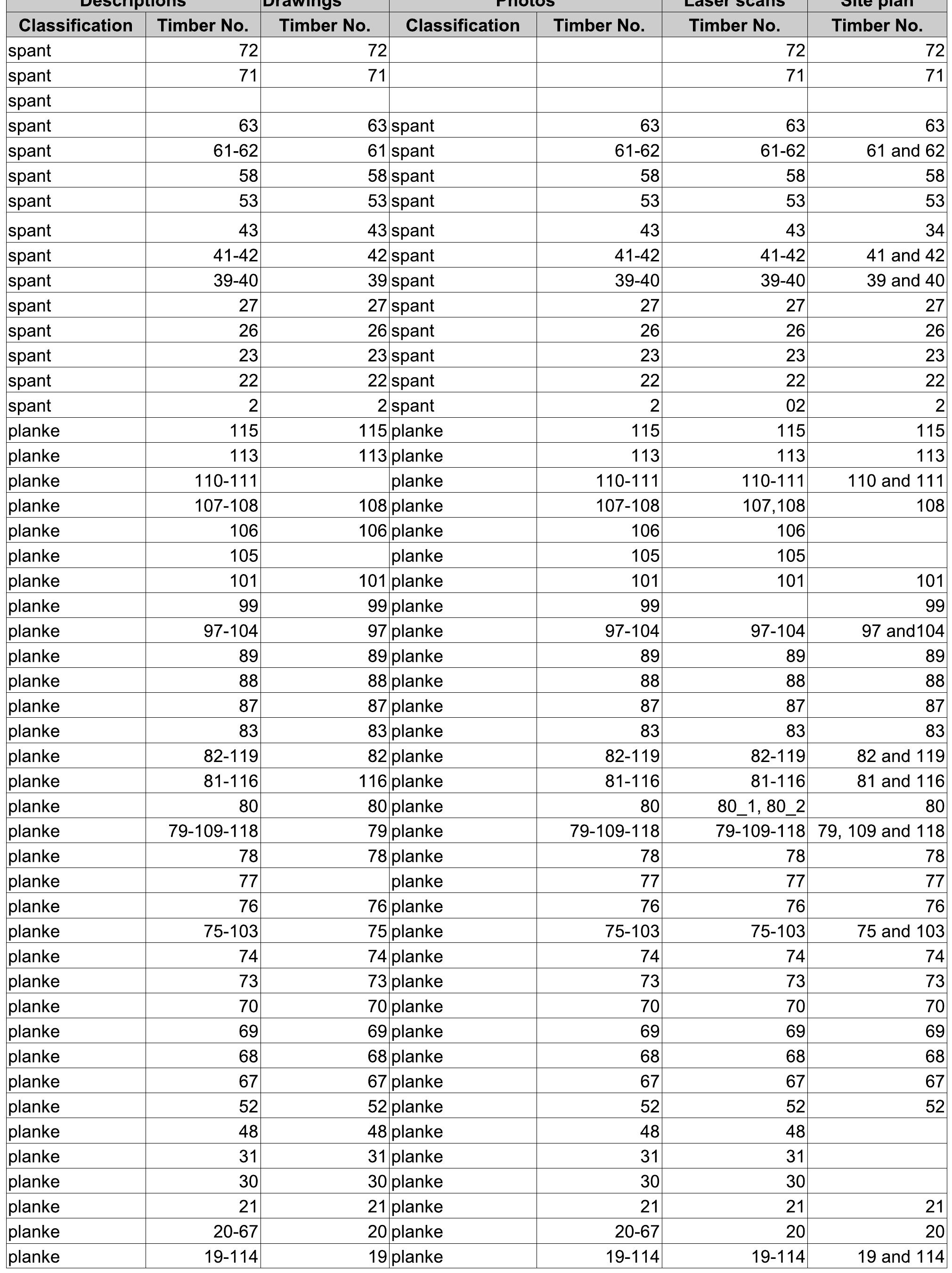
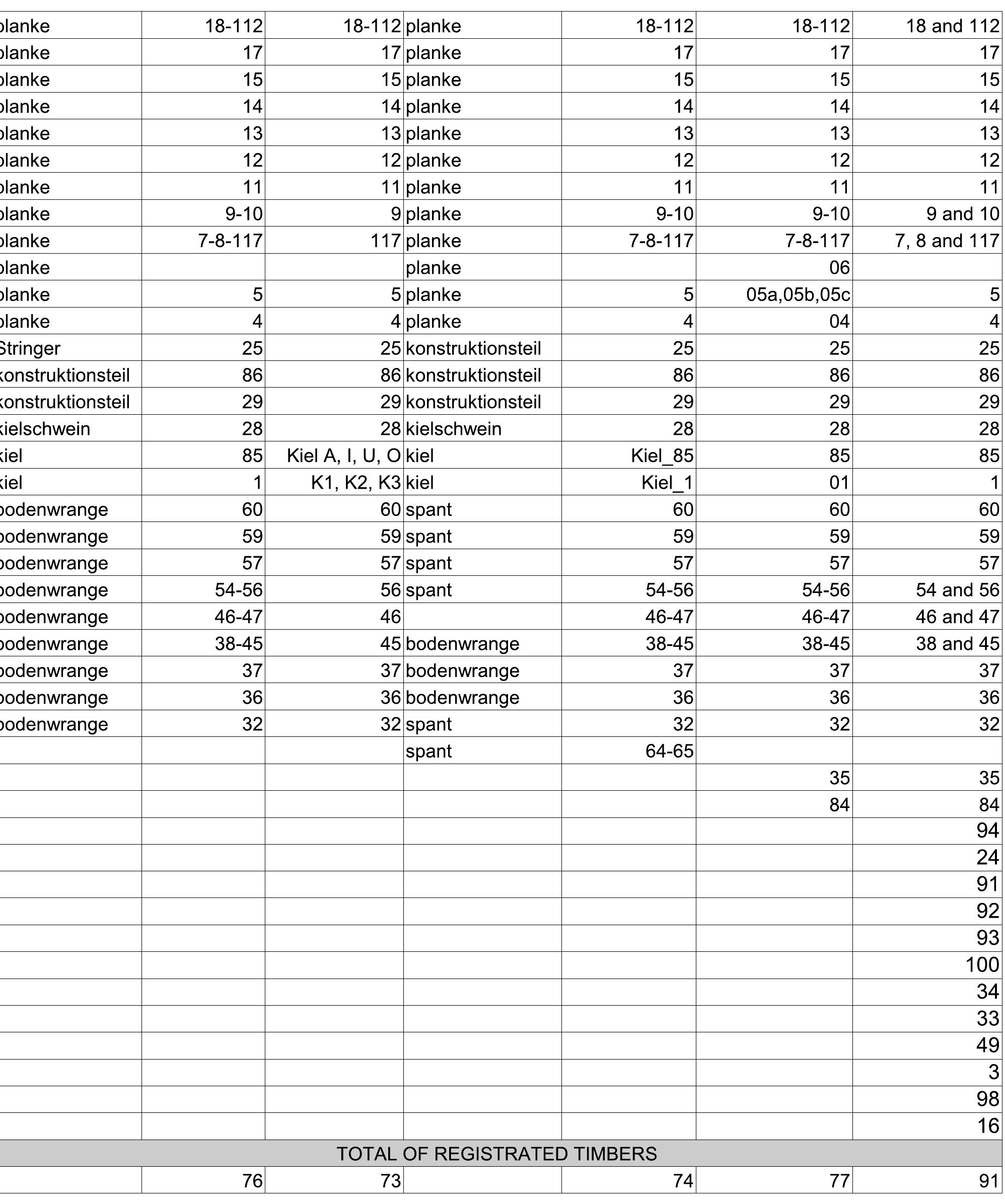
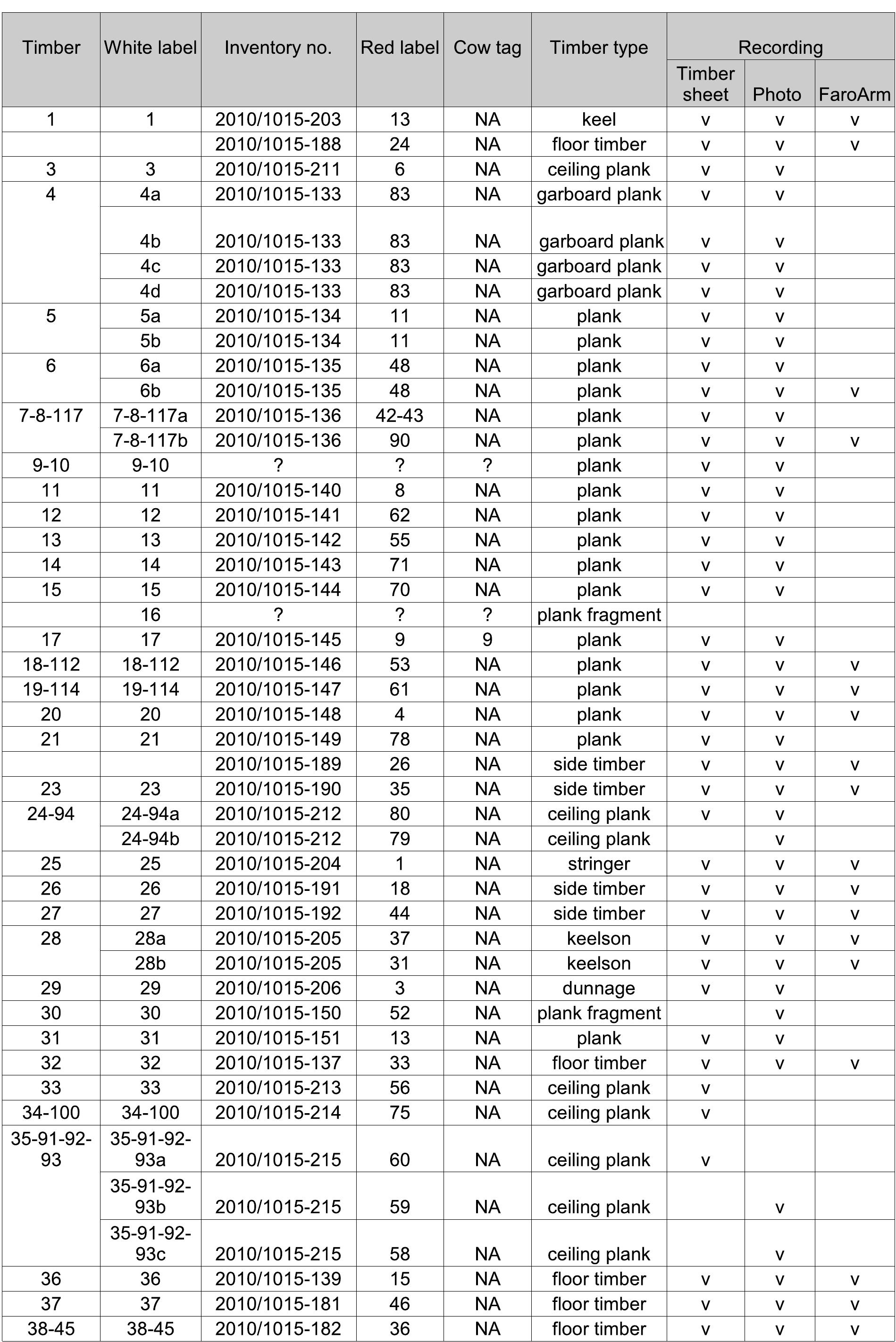
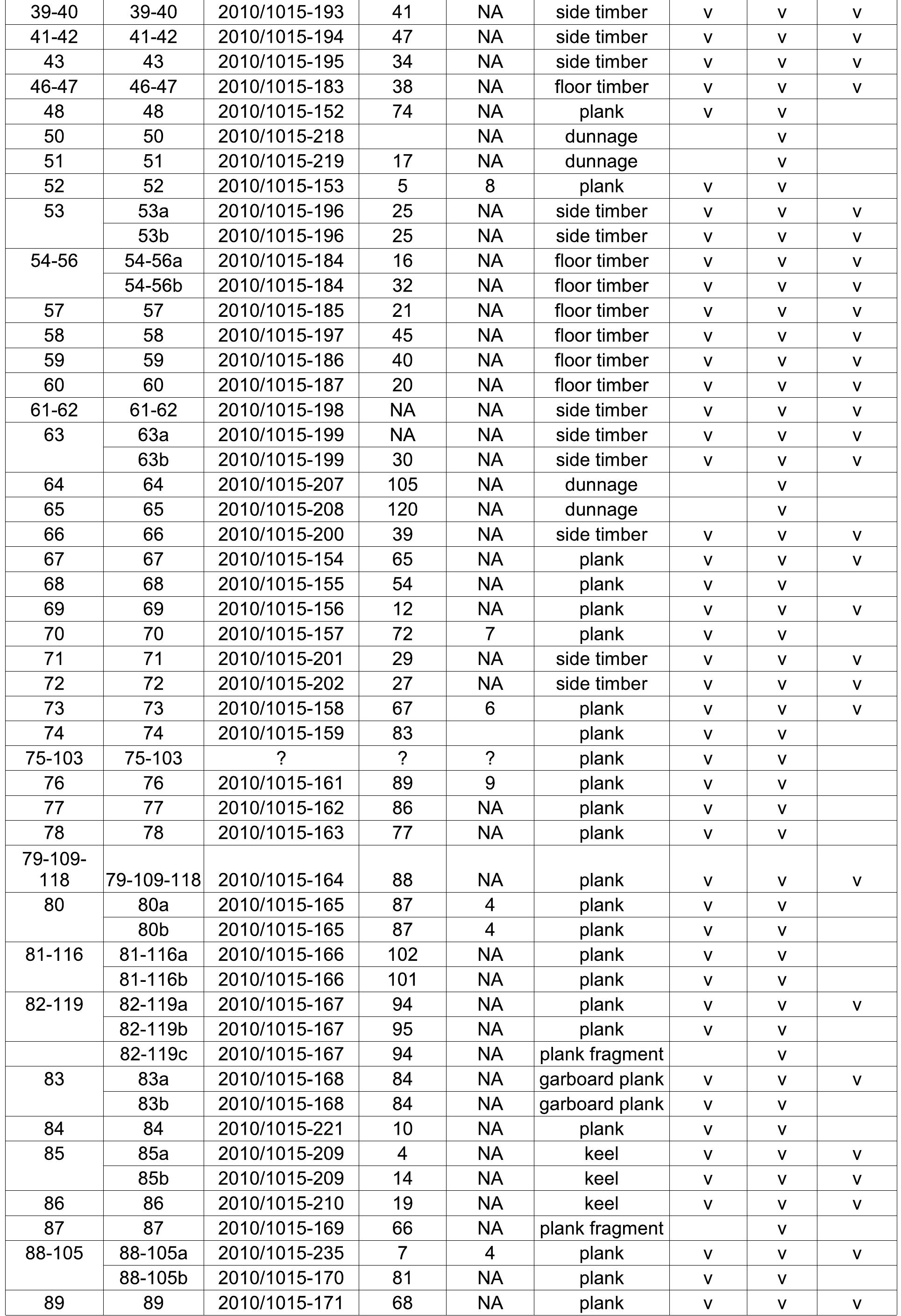
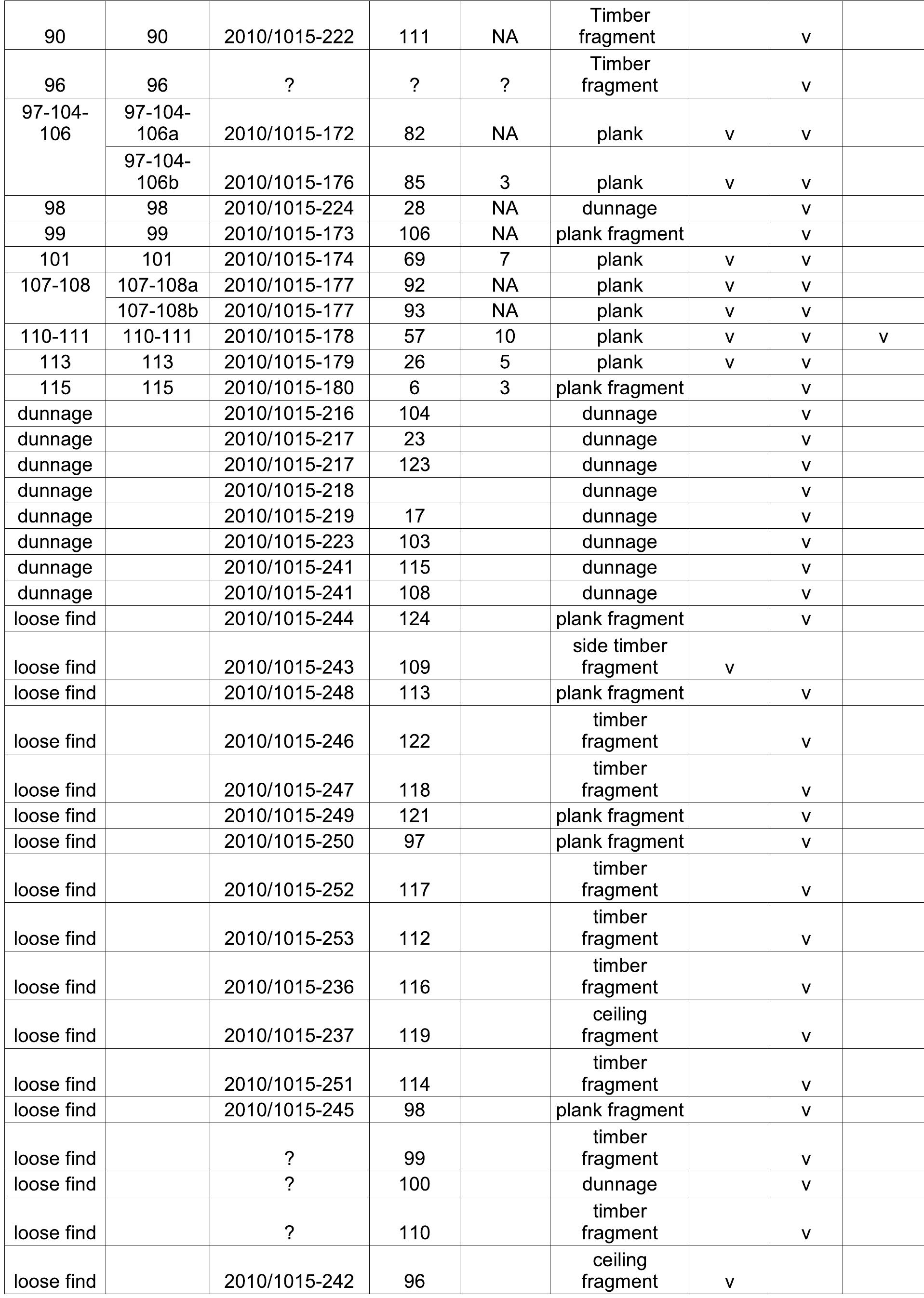
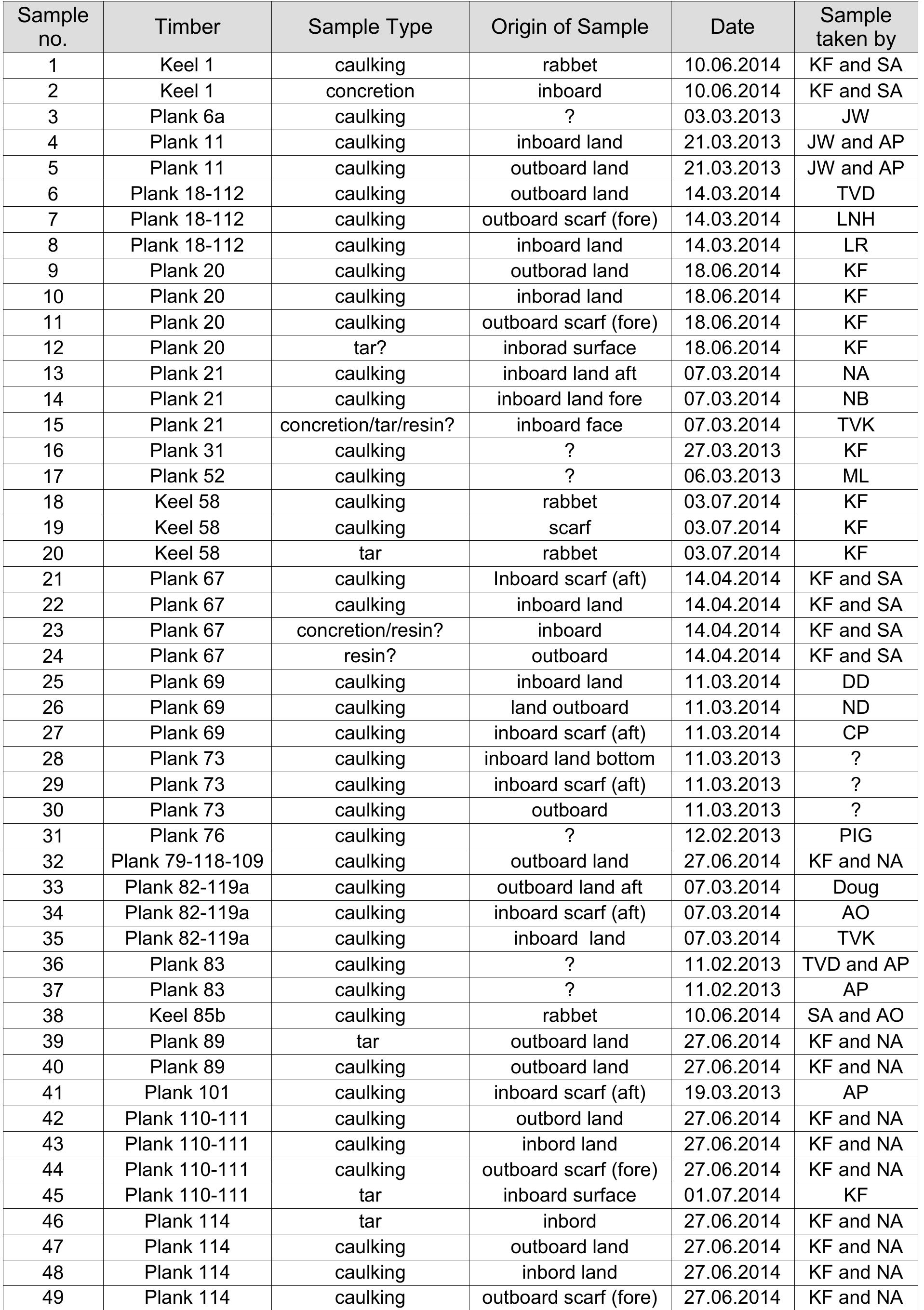
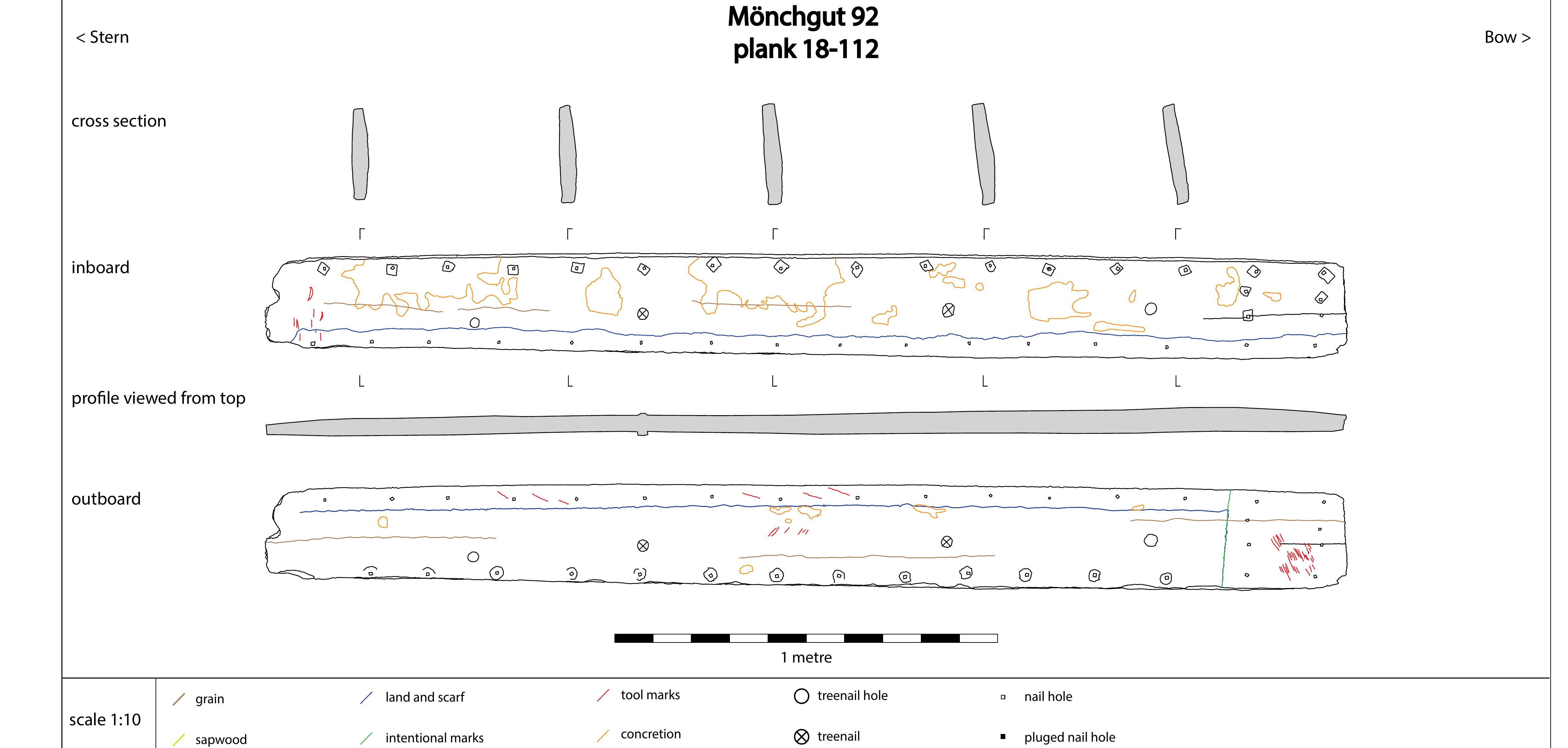
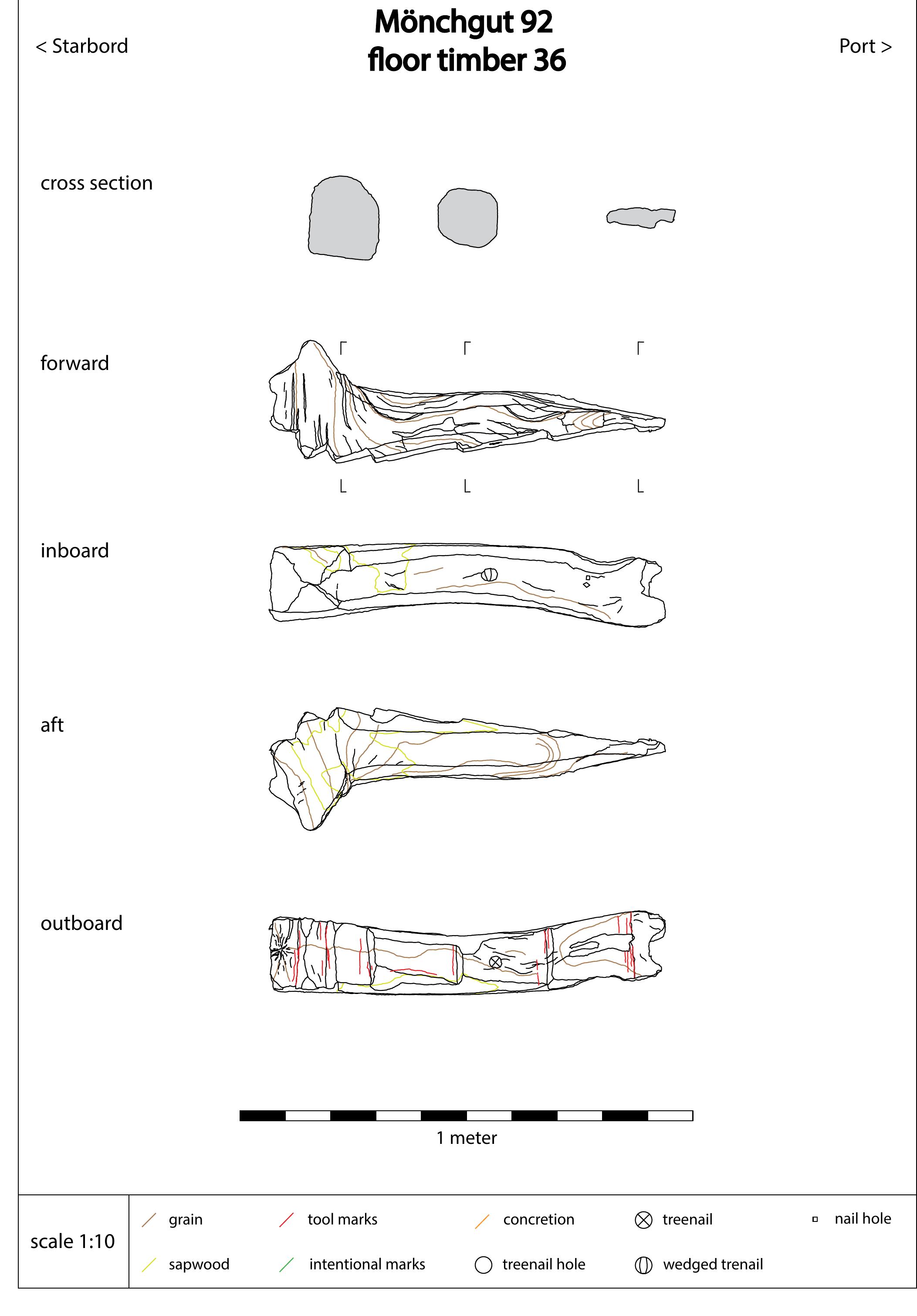
The documentation involved individual timber registration, laser scanning, and extensive photographic records, leading to a comprehensive timber catalogue.

Which construction features characterize the Mönchgut 92 vessel?add

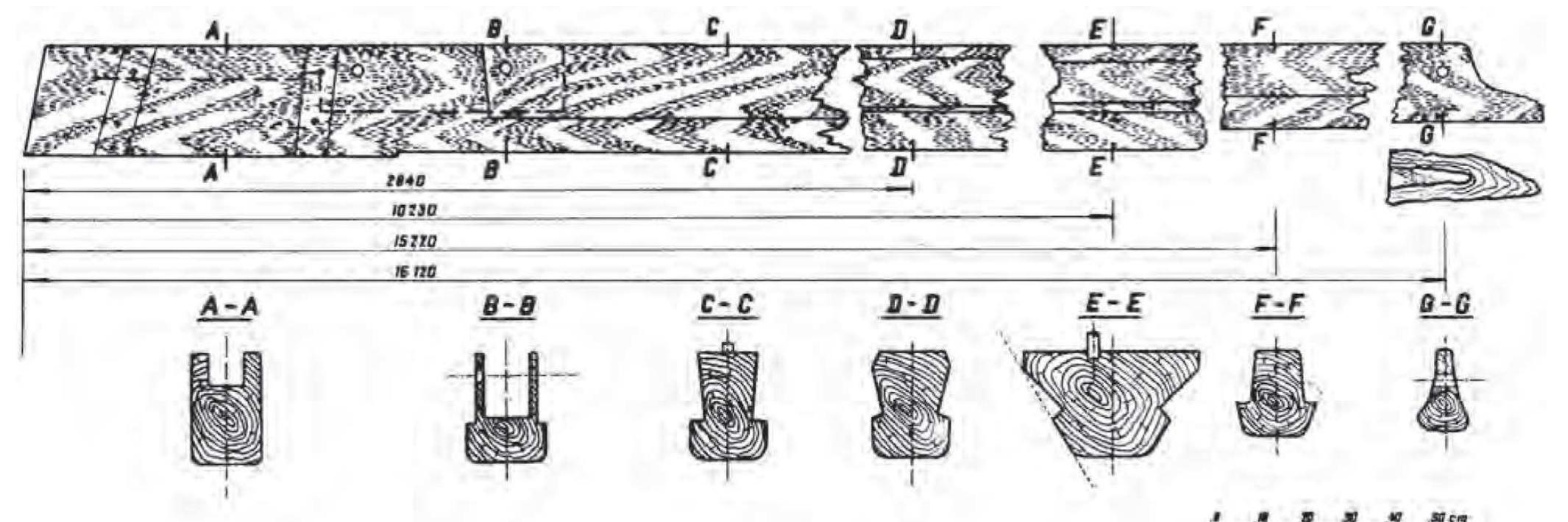
The vessel features a U-shaped keel, overlapping plank construction, and a high volume of internal framing timbers, indicative of its cargo capacity.

What implications does the Mönchgut 92 wreck have for understanding medieval shipbuilding?add

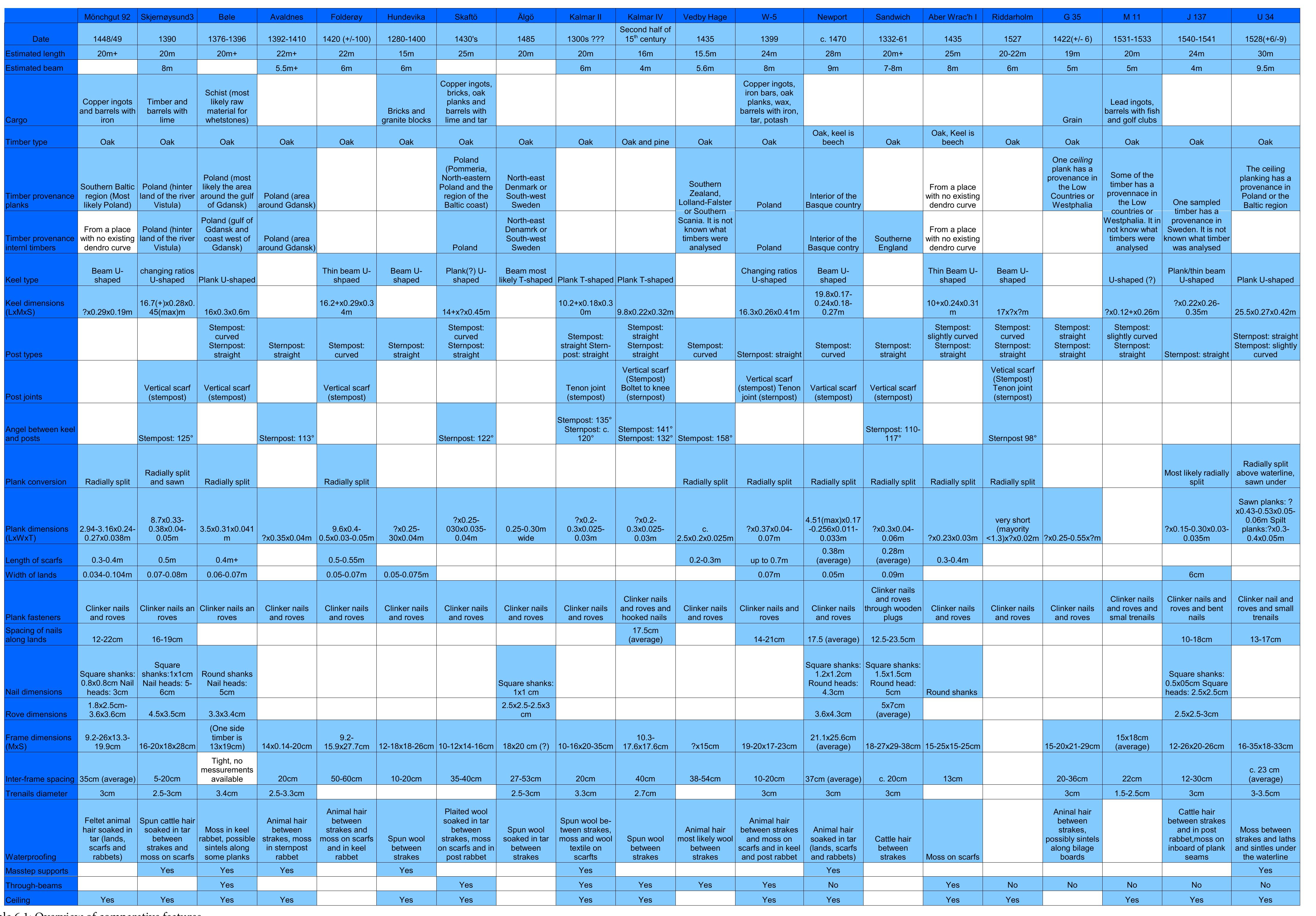
The wreck's analysis allows a comparative study of clinker built vessels, contributing insights into construction techniques and trade dynamics of the late medieval period.

How does the Mönchgut 92 wreck compare to other late medieval clinker built vessels?add

It shares constructional similarities with other large vessels but reveals regional differences in timber sources, caulking materials, and building techniques, suggesting localized traditions.

About the author
Viking Ship Museum, Department Member
Papers
3
Followers
127
View all papers from Klara Fiedlerarrow_forward